Chalet Maintenance
Mountain properties benefit from regular observation and preventative care. A chalet that’s checked consistently is easier to keep comfortable, presentable, and ready for the next stay.
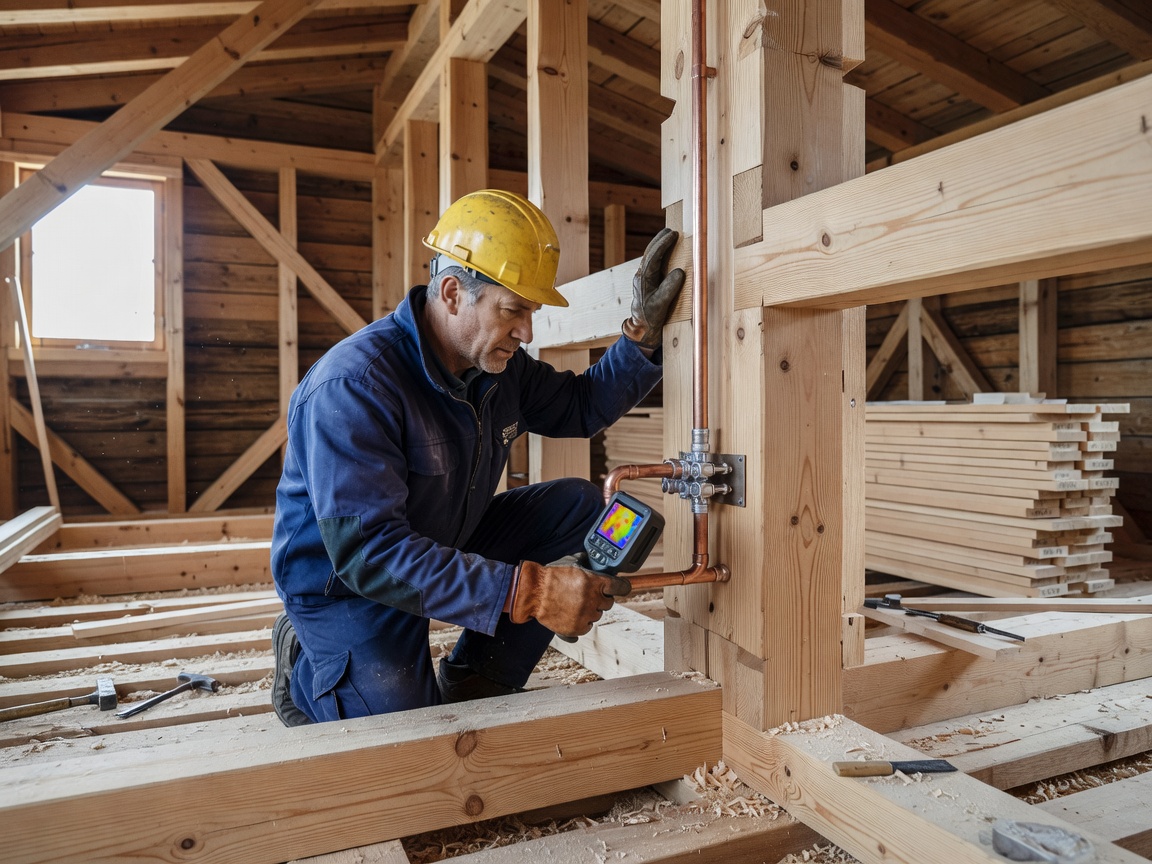
Steady Maintenance in Extreme Climates
High-altitude weather works continuously on a building. Winter brings driving freeze-thaw cycles that push moisture into tiny masonry fissures, while summer sun dries exposed south-facing timber planks. Left unattended, these micro-stresses gradually become drafty external doors, sticking French casements, and stiff radiator valves.
We take a practical, eyes-on approach to upkeep. Rather than waiting for a winter guest to call at ten in the evening about a boiler fault or a front deadbolt that won't turn, our visits look closely at mechanical, structural, and cosmetic details while the house is calm.
What Routine Maintenance Examines
Our visits cover both the interior living spaces and the exterior perimeter:
- Doors, Windows & Weather Seals: Alpine timber breathes and swells with seasonal humidity. We check latch alignment, inspect rubber seals, and verify that deadbolts throw smoothly without forcing.
- Heating & Thermostat Areas: Checking radiator valves for weeping, testing ambient thermostatic heads, observing pressure gauges in boiler utility rooms, and noting draft patterns.
- Visible Plumbing & Water Lines: Inspecting flexi-hoses beneath sinks, shut-off valves, visible pipe lagging in unheated storage spaces, and toilet cistern fill mechanisms.
- Moisture & Condensation Awareness: Examining high-risk spots like ski boots dryers, laundry cupboards, and sauna rooms where warm indoor air meets cold exterior walls.
- Roofline & Drainage Observations: Observing gutters from ground level for debris or sagging, ensuring downpipe outlets are clear of packed gravel or ice dams.
- Fixtures & Furniture Upkeep: Tightening loose handles, testing dimmer modules, inspecting wooden terrace benches, and attending to normal guest wear-and-tear before it deepens.
Reactive Care vs. Preventative Care
Every property owner decides how to budget their time and attention. Here is how both approaches actually play out over an alpine season.
Fixing Issues Once They Surface
In a reactive model, you only call for help when something breaks or when arriving guests complain that the hot water has cut out.
- The Pro: You avoid regular maintenance costs during periods of low occupancy.
- The Con: Emergency call-outs during alpine blizzards are costly and difficult to arrange.
- The Con: Guest stays can be disrupted by noisy emergency repairs and cold showers.
- The Reality: Minor water leaks or sticking seals may go unnoticed for weeks, quietly degrading floorboards and timber frames.
Scheduled Observation & Upkeep
Scheduled visits verify that systems are running, seals are tight, and minor wear is dealt with before guests arrive.
- The Pro: Developing issues are noted early, giving you time to plan non-urgent repairs.
- The Pro: Chalet remains comfortable and ready for owner or guest visits without last-minute panic.
- The Pro: Longer service life for hardware, appliances, and exposed wooden surfaces.
- Realistic Note: Scheduled checks do not eliminate unexpected breakdowns, but they significantly reduce emergency surprises.
Our Five-Step Upkeep Workflow
CHECK
Systematic walkthrough covering valves, locks, drainage, and utility pressures.
NOTE
Record exact locations and photograph any emerging wear or moisture signs.
REPORT
Provide clear, unvarnished notes to the owner with straightforward summaries.
PRIORITISE
Classify tasks between immediate minor adjustments and scheduled specialist visits.
RESOLVE
Execute minor upkeep on the spot or manage access for certified local contractors.
The Chalet Maintenance Checklist
A practical summary of what our maintenance visits observe across the property.
Interior Living Areas
- Window seals, tilt-and-turn hinges & drafts
- Interior door latches and hinge lubrication
- Fireplace hearth safety screen & flue damper motion
- Lighting modules, dimmer switches & spare bulbs
Heating & Mechanicals
- Utility room pressure readings
- Radiator valve seating & bleeding if cold spots exist
- Thermostat battery check & scheduled settings
- Ventilation ducts & extractor fan grilles
Water & Plumbing
- Under-sink traps and flexi-line dry checks
- Exterior tap isolation before freezing weather
- Water softener salt levels (where fitted)
- Shower drain runoff rates & hair trap clearing
Exterior & Access
- Decking plank fasteners & balustrade stability
- Ground-level roofline gutter observation
- Exterior keypads and key-safe lock dials
- Walkway drainage paths free of grit blockage